
Gentle skincare practices are crucial for managing rosacea and preventing irritation that could worsen symptoms. This includes using mild, fragrance-free cleansers and avoiding products with alcohol, witch hazel, or other potentially irritating ingredients. For severe cases, isotretinoin (formerly known as Accutane) may be considered. This powerful medication can significantly reduce sebaceous gland activity and inflammation, potentially preventing further progression of rhinophyma.
Need professional help with addiction?
Men are more likely to develop rhinophyma than women, although it has been diagnosed in women. As mentioned above, rosacea sufferers usually experience flare-ups of the condition punctuated by periods of remission, where they do not have any symptoms for some time. Studies have found little connection 1 between alcoholic nose and alcohol. The Asian population has been found to be deficient in an enzyme known as alcohol dehydrogenase. This enzyme is responsible for helping break down alcohol and metabolize it. When someone drinks alcohol, it enters the cells of their blood vessels, and the blood vessels dilate.
About Rehab Recovery
We offer various treatment options, including inpatient and outpatient programs, and our staff is dedicated to helping each patient achieve lasting sobriety. It is a type of rosacea, a skin disorder that causes redness, inflammation, and small, pus-filled bumps typically concentrated in the cheeks, nose, and chin. Rosacea is a chronic condition that tends to flare and go into remission; however those with Rhinophyma may find that their nose may continue to grow. So-called “drinker’s nose” is a common way to describe what is known as rhinophyma. Rosacea is a skin condition that is characterized by red cheeks or red patches on the face along with visible blood vessels.
It is characterized by a red, swollen, and bumpy appearance of the nose, often described as a bulbous nose. The condition often leads to significant changes in the shape and size of the nose, causing it to appear bulbous and deformed. These physical changes can be distressing and impact a person’s self-esteem and social interactions. Alcoholic nose, also known as rhinophyma, is a condition often misunderstood and misrepresented. While its name suggests a direct link to alcohol consumption, the reality is more nuanced, and many individuals with rhinophyma do not have alcohol use disorder. In this article, we’ll delve into the causes, symptoms, and treatments for alcoholic nose, providing a comprehensive understanding of this condition.
We offer Medical Alcohol Detox in:
- The Forge Recovery Center is more than an addiction center, it’s a community devoted to recovery and long-term sobriety.
- This gender difference may be related to hormonal factors, as men have higher levels of sebaceous gland activity and may be more likely to have severe forms of rosacea.
- The residual effects of drinker’s nose (such as social interference or self-esteem deterioration) can be long-lasting.
- Understanding how alcohol affects red nose is extremely important to a person’s well-being.
- If these medications don’t work, a plastic surgeon can use different surgery techniques to change the shape of your nose and improve your breathing.
- Many people with rhinophyma achieve excellent results with appropriate treatment.
Ascendant New York is here to help, offering drug rehab treatment to all five boroughs within New York City. That’s important because alcoholic nose they can help manage any medications you might be taking to treat your condition and support any other underlying addictions you might be dealing with. Treatments can alleviate some of the symptoms of this skin disorder, but there’s no guarantee that they will not return. You may require ongoing professional assistance from a doctor or dermatologist to effectively manage rhinophyma symptoms.
- Alcohol addiction treatment programs combine evidence-based therapies and holistic treatments.
- That said, exceedingly few people with Rosacea develop an alcoholic nose.
- Find rehab for yourself or a loved one by speaking with a treatment provider.
Both alcohol addiction and rhinophyma can be difficult to treat and manage by yourself, and professional help is typically recommended when treating both, especially at the same time. Once the signs of an alcoholic nose are present, it is difficult to make them go away without the use of certain treatments. It is because of this misunderstanding of rhinophyma and the effects of alcohol that it has been given nicknames like “whiskey nose” and “drinker’s nose”. This means that in someone who already has rosacea, heavy drinking may cause the rosacea to become more severe and they may then develop symptoms like rhinophyma. When you call, you’ll speak directly with Lumina specialists who https://ecosoberhouse.com/ can explain the mental health and addiction services available at any Lumina location. AlcoholAwareness.org is dedicated to providing support and resources for individuals struggling with alcohol addiction.
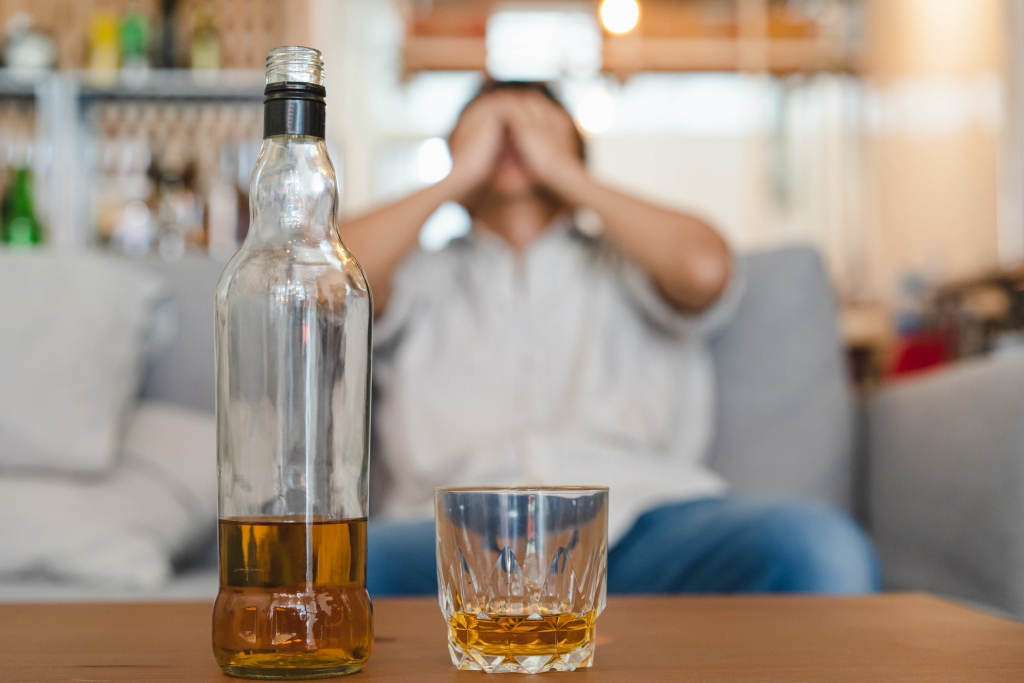
Are You Self-Medicating with Drugs or Alcohol?

The exact cause of rhinophyma is still unknown, but several factors can contribute to its development. Understanding these factors can help in managing and possibly preventing the condition. Additionally, alcohol addiction has been linked to the exacerbation of rhinophyma, highlighting the importance of addressing Sober living house alcohol use in managing this condition.
What Is Alcoholic Nose? (Rhinophyma)
It is not necessary that everyone who has Rosacea also has Rhinophyma, as Rhinophyma is the most severe type of Rosacea – but Rosacea can still be a common cause of Rhinophyma. Similarly, just because some people experience reddening skin while drinking, there is no solid evidence to link the skin condition to alcohol consumption. Without treatment, alcohol abuse can turn into a life-threatening addiction.
Regular check-ups with a dermatologist can help monitor the progression of rosacea and catch any early signs of rhinophyma. Early detection allows for timely intervention, which can prevent the condition from worsening. Rhinophyma can cause the oil glands in the nose to enlarge, contributing to the swollen and bulbous appearance.
Side Effects of Alcoholic Nose
This treatment plan may include medications, laser therapy, and even surgical procedures. With the development of rhinophyma, the nose appears red, large, and bumpy. This is because this condition doesn’t impact the bone structure of the nose, just the skin. What’s more, alcohol can trigger the overgrowth of a mite called Demodex folliculorum, naturally occurring on our skin. Those of us with rosacea can have up to four times more the Demodex mites on our face than people who don’t have rosacea.
Psychological and Emotional Effects
That being said, someone who already has rhinophyma may find their condition is worsened by drinking alcohol. An alcoholic nose is characterized by an orange to a reddish hue, often with facial flushing, and an enlarged, engorged nose with prominent blood vessels. An alcoholic nose, also known as Rhinophyma, has spider veins on the nose, possibly aided by and or worsened by heavy alcohol consumption. It is a skin condition that is part of Rosacea and causes chronic skin inflammation. It’s a myth that rhinophyma – known as an alcoholic’s nose or drinker’s nose – is caused by drinking alcohol. However, drinking alcohol can worsen rhinophyma symptoms in people with existing severe rosacea.